When E-Commerce Fraud Detection Becomes a Necessity
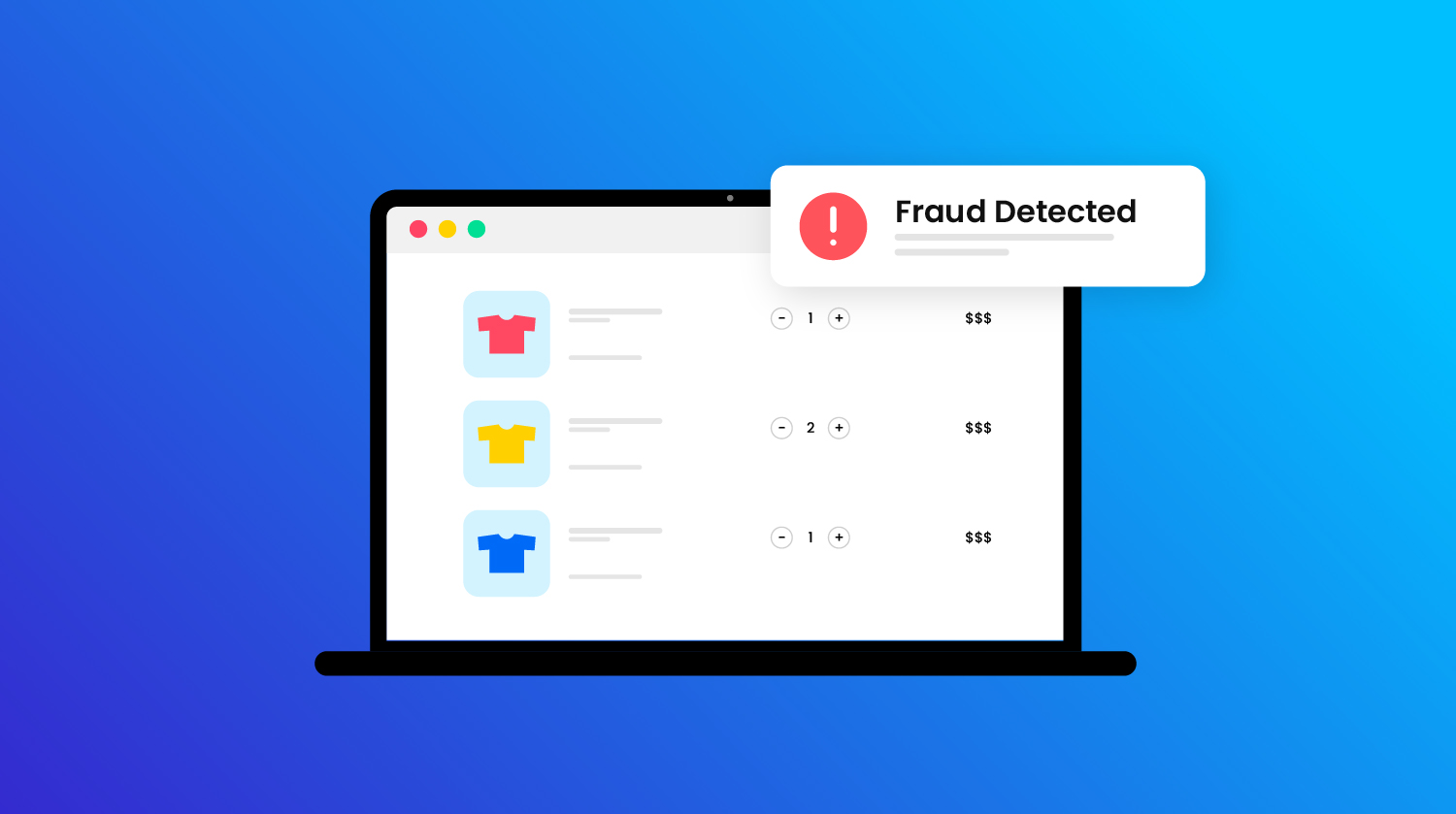
Fraud detection in e-commerce is always necessary.
But certain signals force teams to re-evaluate existing controls or actively adopt a fraud detection platform. These moments usually occur when risk signals stop aligning with business metrics, and teams can no longer explain losses, friction, or operational strain using existing tools or rules.
Here are some of the most common signals that push e-commerce companies to take action:
Payment and Transaction Signals
- Rising chargeback rates despite stable traffic or revenue
- Spikes in failed payment attempts or card testing activity
- High authorization rates followed by unusually high refunds
- Multiple payment instruments are used for similar order values
Order and Fulfillment Behavior
- Large first-time orders with no prior purchase history
- Multiple orders shipped to the same address under different identities
- Disproportionate use of rush or overnight shipping
- Elevated return rates tied to specific products or categories
Geographic and Location Signals
- Mismatch between billing, shipping, and IP locations
- Sudden order surges from new or high-risk regions
- Multiple accounts transacting from the same IP or network
- Use of proxy or VPN-based traffic during checkout
Account and User Behavior Signals
- Rapid account creation followed by immediate high-value purchases
- Disposable or patterned email and phone identifiers
- Extremely fast checkout times with minimal browsing
- Repeated failed login or authentication attempts
Returns, Refunds and Post-Purchase Patterns
- High refund requests shortly after delivery
- Claims of “item not received” despite delivery confirmation
- Refunds initiated without product returns
- Customers disputing charges instead of contacting support
Customer Support and Operational Signals
- Spike in “unauthorized transaction” complaints
- Repeated address change requests post-purchase
- Customers asking to bypass normal verification
- Increased disputes clustered around certain products or campaigns
Product and Campaign-Level Signals
- Promo, referral, or coupon abuse impacting margins
- Affiliate traffic converting but showing zero retention
- Flash sales attracting disproportionately high-risk orders
- Specific SKUs consistently associated with fraud or returns
When multiple signals appear together, it's rarely a coincidence; it's a sign that existing fraud controls are no longer sufficient.
Pro tip: The most resilient e-commerce companies don’t wait for these signals to compound. Effective fraud prevention is built early, because fraudsters plan in advance and often strike across multiple touchpoints at once, leaving businesses reacting under pressure, with limited room to recover quickly.
What Factors Matter the Most When Deciding on a Fraud Detection Platform for E-Commerce
There are five core evaluation factors that e-commerce companies must consider when deciding on a fraud prevention platform:
Speed Without Friction
Fraud decisions must happen in real time across every customer touchpoint which include signup, login, and checkout, without adding latency or disrupting the experience. Any delay, unnecessary challenge, or excessive verification checks directly impacts conversion rates and erodes user trust. Speed is only valuable when it's invisible to the customer.
Intelligence That Improves Over Time
Fraud patterns evolve faster than static rules can keep up. The e-commerce fraud prevention platform should continuously adapt to new fraud patterns using automated learning, not depend heavily on manual rules or static thresholds.
The True Cost of Fraud Prevention
The real cost of fraud prevention goes beyond license fees. Businesses must prefer solutions that keep a tight check for false positives, as it directly results in lost conversions and the operational burden placed on risk and support teams.
False declines, manual reviews, and lost customers often outweigh direct fraud losses.
End-to-End Coverage
Fraud doesn't start at checkout, and it doesn't end there. E-commerce companies that protect isolated touchpoints, while leaving others exposed, invite fraud through the gaps. The strongest platforms cover the entire customer journey from account creation to post-purchase, without requiring separate vendor integrations for each risk type.
Privacy and Brand Trust
Fraud prevention can never come at the cost of user privacy. It's vital to go for an e-commerce fraud detection platform that prioritizes data minimization, regulatory readiness, and responsible use of intelligence, which are critical to protecting long-term customer trust and brand reputation.
This evaluation framework reflects how e-commerce companies choose fraud-detection platforms, prioritizing accuracy, coverage, and customer experience over short-term fixes.
Step by Step: How E-Commerce Companies Evaluate and Decide on Fraud Detection Platforms
1. Identify the primary fraud problem
Evaluation always starts with a clear-eyed look at where fraud is causing the most damage. For some businesses, that's payment fraud and chargebacks. For others, it's account abuse, promo exploitation, or post-purchase fraud.
Tip: E-commerce teams must prioritize platforms that can address their most pressing risk areas first while still supporting broader coverage of all forms of fraud patterns.
2. Shortlist based on compatibility
Once the core problem is defined, teams narrow their options based on fit: alignment with the existing tech stack, supported payment methods, geographic coverage, and transaction volumes.
Tip: E-commerce businesses must deprioritize platforms that require heavy customization or those that disrupt existing workflows, regardless of their detection capabilities.
3. Test for accuracy vs friction
This stage typically involves demos or controlled pilot deployments. The focus shifts to measuring fraud catch rates against false positives and observing how the platform performs under real-world conditions.
Tip: E-commerce companies closely monitor latency, step-up challenges, and customer drop-offs to ensure fraud prevention doesn’t come at the expense of conversion or user experience.
4. Assess operational fit
Beyond detection accuracy, teams evaluate how well the platform integrates into day-to-day operations: the quality of dashboards, alerting mechanisms, investigation workflows, and the level of manual effort required to manage risk at scale.
Tip: E-commerce businesses must prefer platforms with more analytical efficiency and limited or no review overhead, which tend to perform better in real-world environments.
5. Long-term scalability
The final evaluation stage looks ahead. As transaction volumes grow and fraud tactics become more sophisticated, the platform must scale without constant rule tuning or operational intervention.
Tip: E-commerce companies must favor fraud detection platforms that can adapt to increased complexity, new markets, and evolving risk without creating bottlenecks or additional friction.
Conclusion
Choosing a fraud detection platform is a long-term strategic decision, not a short-term fix. For e-commerce companies operating at scale, the right platform must protect revenue, preserve customer trust, support growth without adding friction, and, most importantly, fight fraud of all forms.
If you are actively evaluating fraud detection platforms for your e-commerce business, seeing how a solution performs against your specific risk scenarios can make the decision clearer.
Book a demo to explore how SHIELD’s device-first fraud intelligence platforms help your e-commerce business prevent fraud without slowing down growth.
FAQs: Common Questions When Evaluating E-commerce Fraud Detection Software
How do businesses balance fraud prevention and conversion rates?
By using real-time, risk-based fraud detection that works discreetly in the background. Modern e-commerce fraud detection software assesses risk without interrupting legitimate users - keeping low-risk customers moving seamlessly while flagging threats, reducing false positives without sacrificing approvals or experience.
What are the biggest fraud challenges faced by e-commerce companies today?
1. Card-not-present (CNP) fraud
2. Account takeover (ATO)
3. Friendly fraud and chargeback abuse
4. Identity fraud and synthetic identities
5. Promo and coupon abuse
6. Bot-driven attacks
7. Digital wallet fraud
8. Refund and return fraud
9. Marketplace seller fraud
10. Triangulation fraud
11. Affiliate and influencer fraud
12. Social engineering attacks
13. False positives impacting legitimate users
14. Cross-border fraud
15. AI-driven fraud tactics
How long does it take to implement a fraud detection platform?
Implementation timelines vary, but most modern e-commerce fraud detection platforms like SHIELD are designed to integrate almost instantly and start providing intel (often within days or weeks) without disrupting checkout flows, payment processing, or the overall user experience.
What is the difference between fraud detection and fraud prevention in e-commerce?
Fraud detection identifies suspicious or high-risk activity. Fraud prevention actively blocks or mitigates fraud before it leads to financial loss, chargebacks, or operational disruption.
How do e-commerce companies evaluate fraud detection platforms?
1. Identifying the primary fraud problem
2. Assessing compatibility with existing tech stack and payments
3. Testing accuracy versus customer friction
4. Evaluating operational workflows and analyst efficiency
5. Validating long-term scalability and adaptability
What criteria matter most when choosing a fraud detection solution?
1. Real-time decisioning speed without customer friction
2. Accuracy and adaptability of fraud intelligence
3. End-to-end coverage across the customer lifecycle
4. Total cost of fraud prevention, including false positives and ops effort
5. Privacy, compliance, and long-term scalability


%20Fraud%20Prevention%20%26%20Detection%20in%202026_SHIELD%20Blog.jpg)


